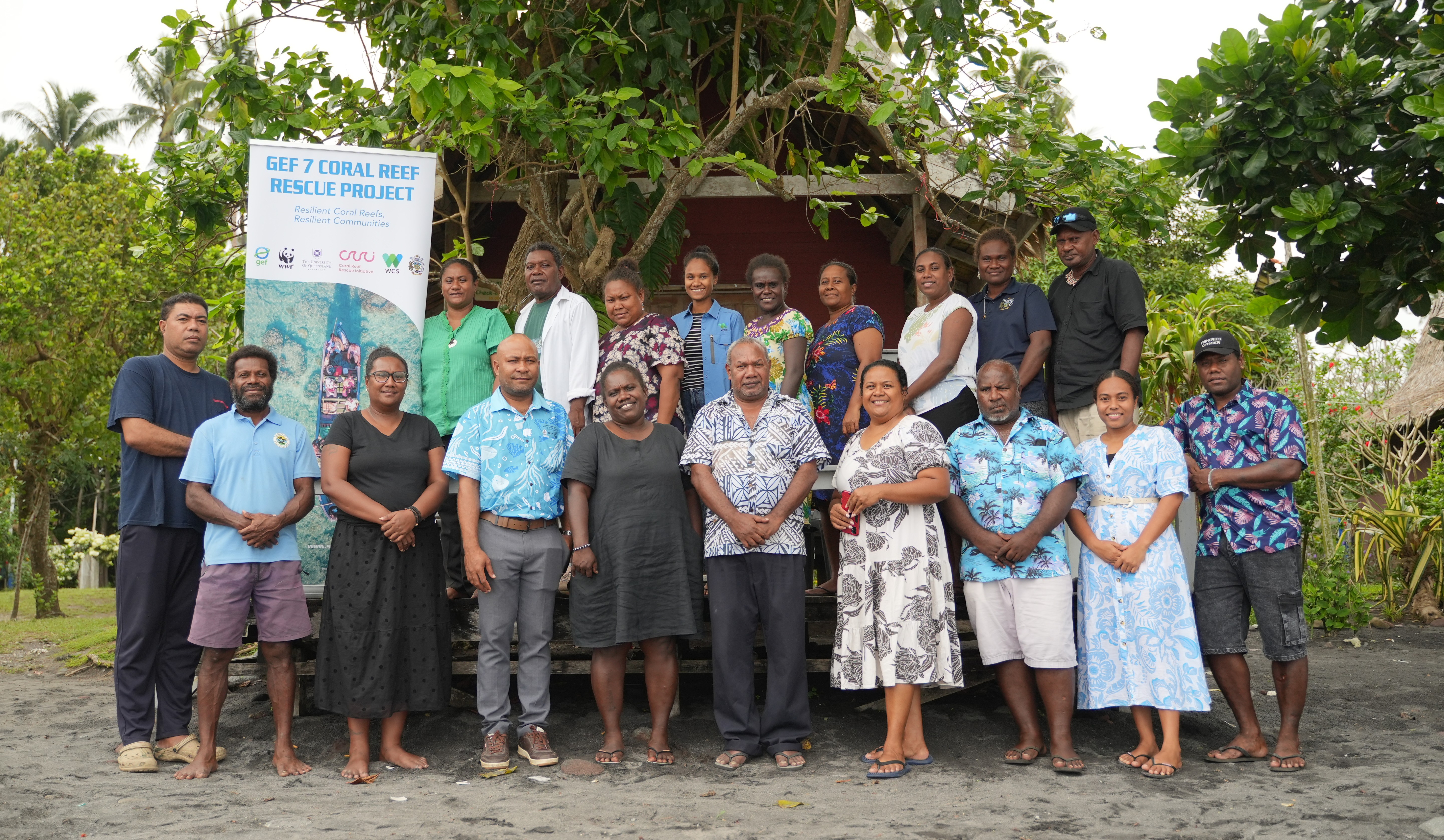
PC 1: National Stakeholders who attended the National Stakeholders Workshop for the National Action Plan (NAP) and Communications Engagement Strategy (CES) for coral reef conservation and management.
West Guadalcanal, Solomon Islands: October 2026
The Ministry of Environment, Climate Change, Disaster Management and Meteorology (MECDM) and the Ministry of Fisheries and Marine Resources (MFMR), in partnership with the Wildlife Conservation Society (WCS), have successfully convened a National Validation Workshop for the National Action Plan (NAP) and Communications Engagement Strategy (CES) for Coral Reef Conservation and Management at B17 Dive and Beach Bungalows in West Guadalcanal, Solomon Islands.
Held in September from the 2nd – 4th 2026, the workshop brought together 24 national stakeholders representing government agencies, Non-Government Organizations (NGOs), and other key stakeholders from across the country.
The workshop provided an opportunity for participants to review, validate, and strengthen two important strategic documents: the Solomon Islands National Action Plan for Coral Reef Conservation and Management 2026-2035 and the Solomon Islands Communications and Engagement Strategy 2026-2030 prior to their finalisation.
The validation process ensured that both documents reflect national priorities, stakeholder perspectives, existing policies and strategies, and implementation realities, while clearly defining the roles of relevant institutions and partners in supporting coral reef conservation efforts nationwide.
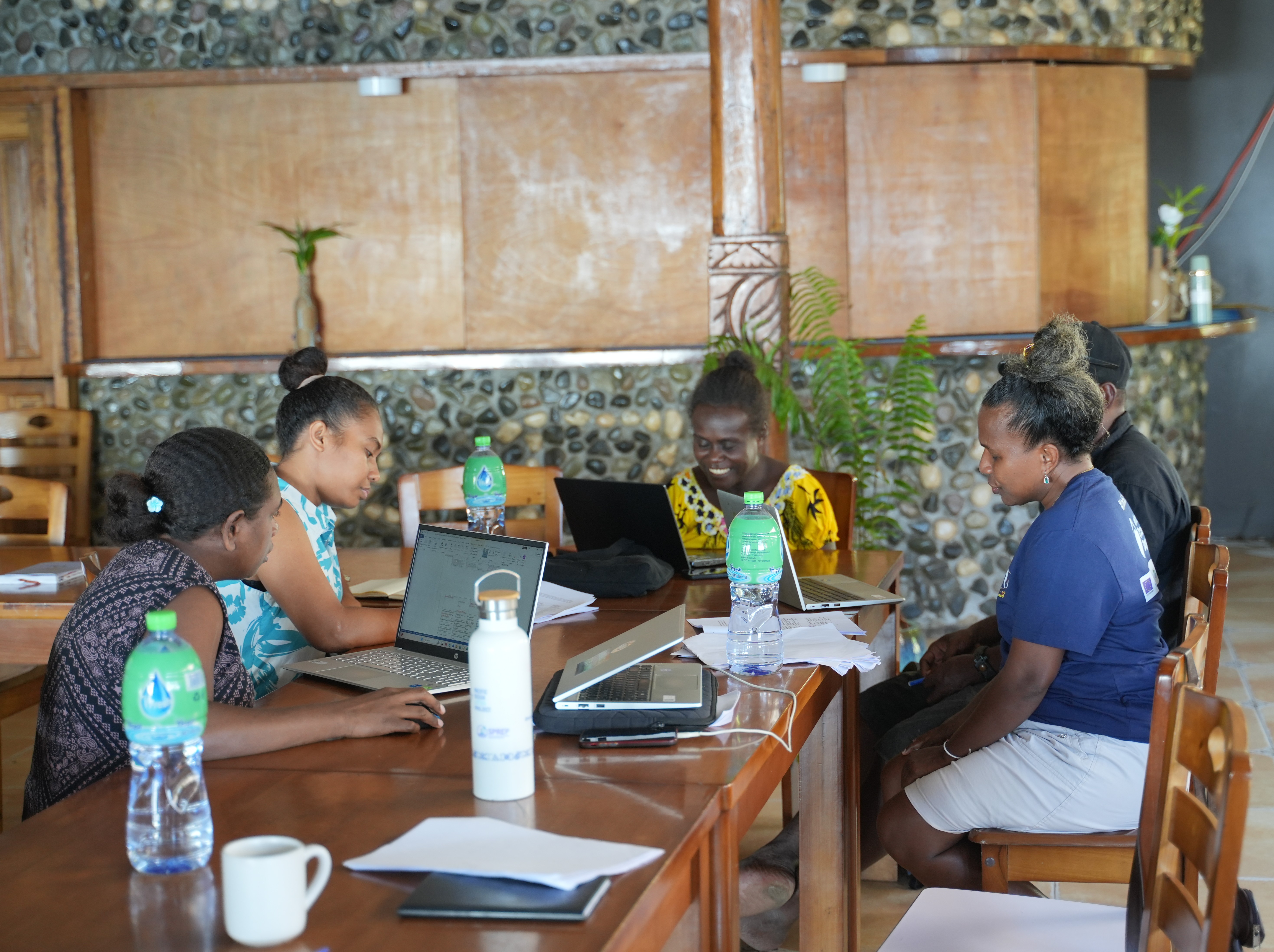
PC 2: MFMR Deputy Director Inshore Ms Faye Siota (right side with blue shirt) engaging in the group validation activity.
Speaking during the workshop, MFMR Deputy Director Inshore Ms Faye Siota highlighted the significance of the initiative.
“The National Action Plan and Communications Engagement Strategy for Coral Reef Conservation and management are the first of their kind in the Solomon Islands. By focusing specifically on coral reefs, they provide clear actions to strengthen the management and conservation of these vital ecosystems that support the livelihood of our communities,” said Ms Siota.
Meanwhile, the MECDM Communications Officer, Mr Sosimo Narasia, emphasized the importance of coordinated implementation.
“This collective validation helps to ensure that implementation is driven by shared ownership and accountability. It also ensures that the Communication and Engagement Strategy aligns with the National Action Plan, with consistent and culturally appropriate messaging delivered through trusted channels to ensure that engagement efforts reach diverse audiences effectively and foster transparency, trust and participation”.
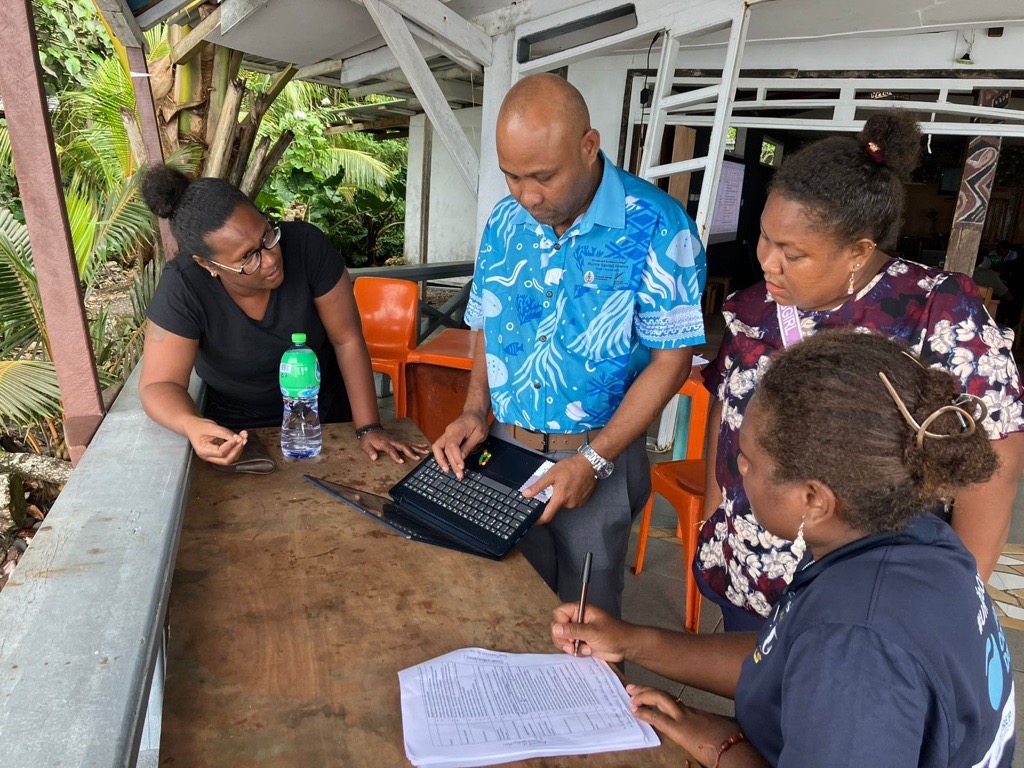
PC 3: Ms Vaela Ngai (left side - in glasses) engaging in the group validation activity.
Through the workshop, stakeholders reviewed, discussed, validated, and strengthened both documents prior to their finalization.
One of the key outcomes highlighted during the workshop was the strong integration of Gender Equality Disability and Social Inclusion (GEDSI) considerations.
Director of the Ministry of Women Youth Children and Family Affairs, Ms Vaela Ngai welcomed this approach.
“I am pleased to see that GEDSI is included as a standalone thematic goal in the action plan while also being integrated as a cross-cutting theme across all thematic areas”.
Her comments reinforce the value of broad stakeholder participation in shaping national policy and planning processes.
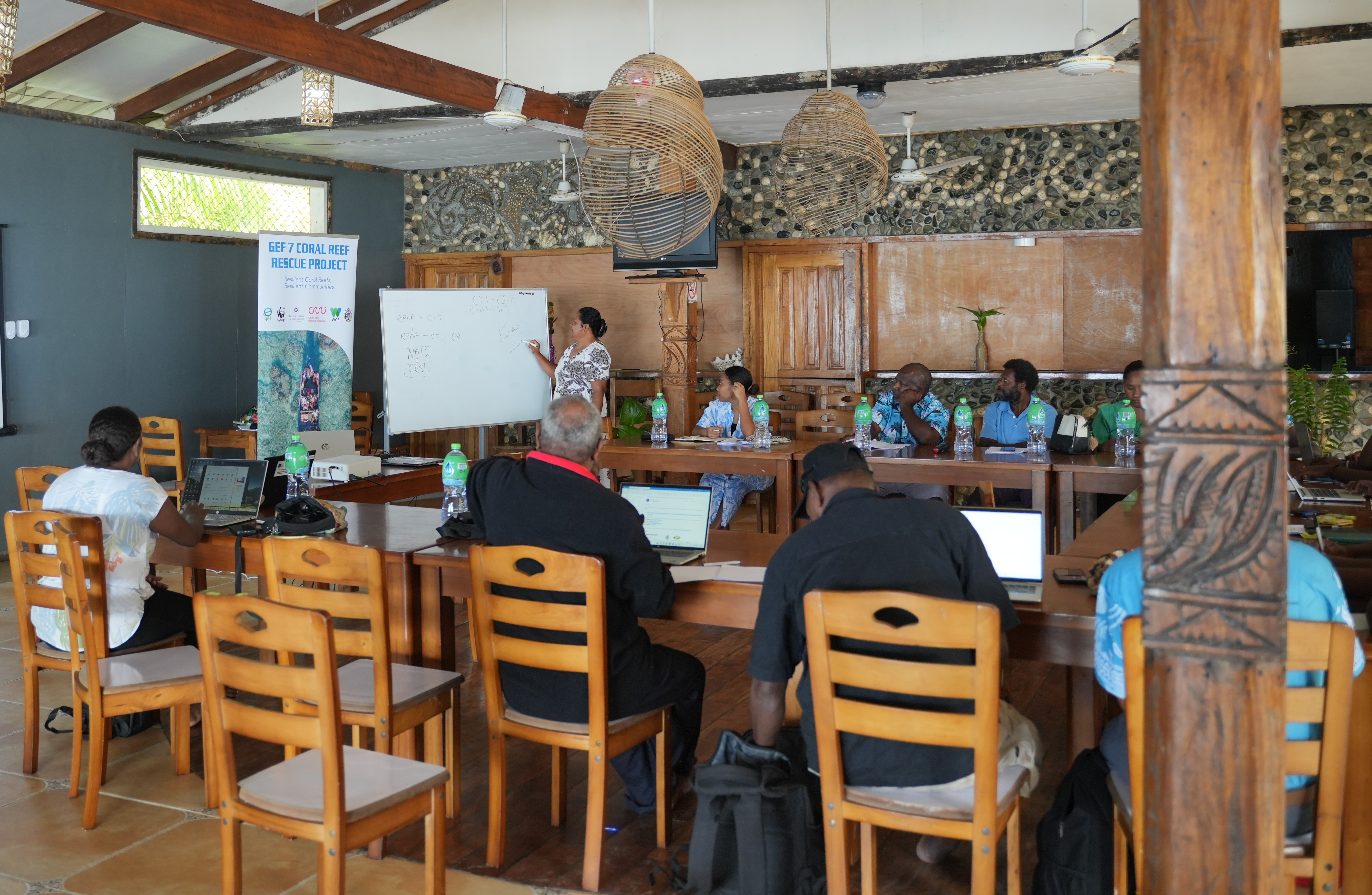
PC 4: Rosalie Masu - National Ocean’s Advisor (standing infront) leading the discussions during the validation workshop.
Representatives from government agencies, NGOs, communities, and other stakeholder groups have worked together to ensure that documents reflect both national marine conservation priorities and the importance of inclusion, representation and integration of every voices.
This workshop highlights the importance of collaborative planning and validation processes in developing effective national conservation. By working together, Solomon Islands is taking an important step towards safeguarding its coral reefs for future generations.
Successful implementation of the National Action Plan and Communications and Engagement Strategy will require continued coordination, partnership, and collective action among all partners involved.
About the Coral Reef Rescue Project
This validation workshop was supported through the Coral Reef Rescue (CRR) Project, funded by the Global Environment Facility (GEF-7). The project is a government-led initiative implemented through the Ministry of Environment, Climate Change, Disaster Management and Meteorology (MECDM) and the Ministry of Fisheries and Marine Resources (MFMR). Key project partners include the World Wide Fund for Nature (WWF-US), the University of Queensland (UQ) as the Lead Executing Agency, and the Wildlife Conservation Society (WCS) as the National Technical Facilitator and in-country lead in Solomon Islands.