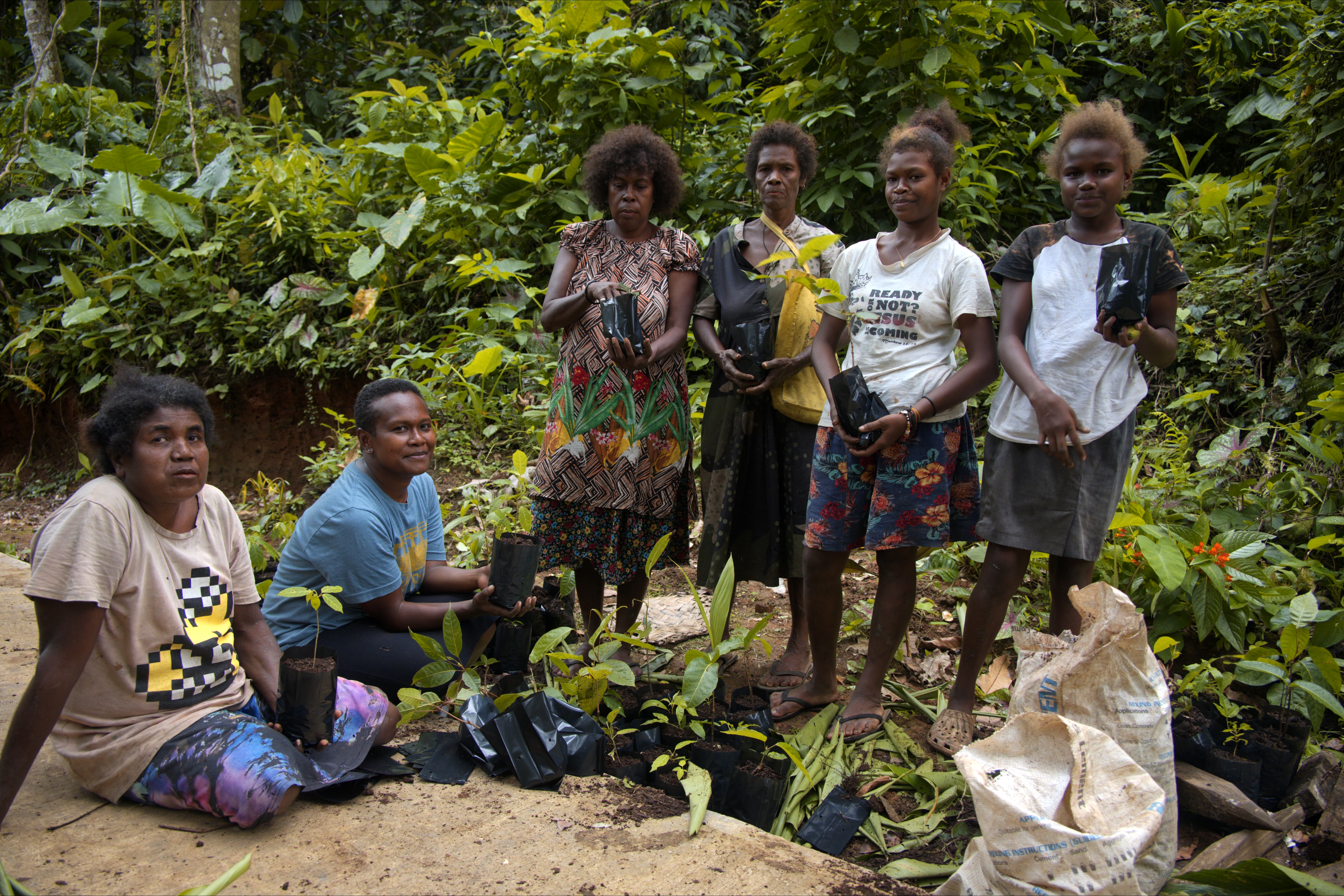
PC1: Women community members at Gumu Community who assisted in setting up the nursery.
In August (10th -17th) 2026, the Wildlife Conservation Society (WCS) Solomon Islands BioScapes team successfully established plant nurseries in four partner communities: Toa, Gumu, Soka, and Haleta in the Ngella Islands, Central Province.
This activity marks the beginning of the Nature-based Solutions (NbS) interventions under the BioScape Project for the team in the country.
Earlier this year, the BioScape team, together with officers from the Ministry of Forestry and Research and representatives from the partner communities, conducted watershed assessments around key community water sources. The assessments revealed that many of the watersheds had been significantly disturbed by human activities such as gardening and land clearing. As a result, much of the original primary forest has been lost and replaced by secondary forest vegetation.
In response to these findings, the nursery initiative focuses on collecting and propagating native plant species from surrounding forests. The team is encouraging communities to utilize indigenous plant species that are naturally adapted to local ecosystems rather than introduced species. This approach aims to support the regeneration and restoration of primary forests within degraded watershed areas, helping to improve ecosystem health and protect critical water sources for local communities. The seedlings will remain in the nursery houses and be closely monitored by community members for at least three weeks before being transplanted into identified watershed restoration sites for planting.
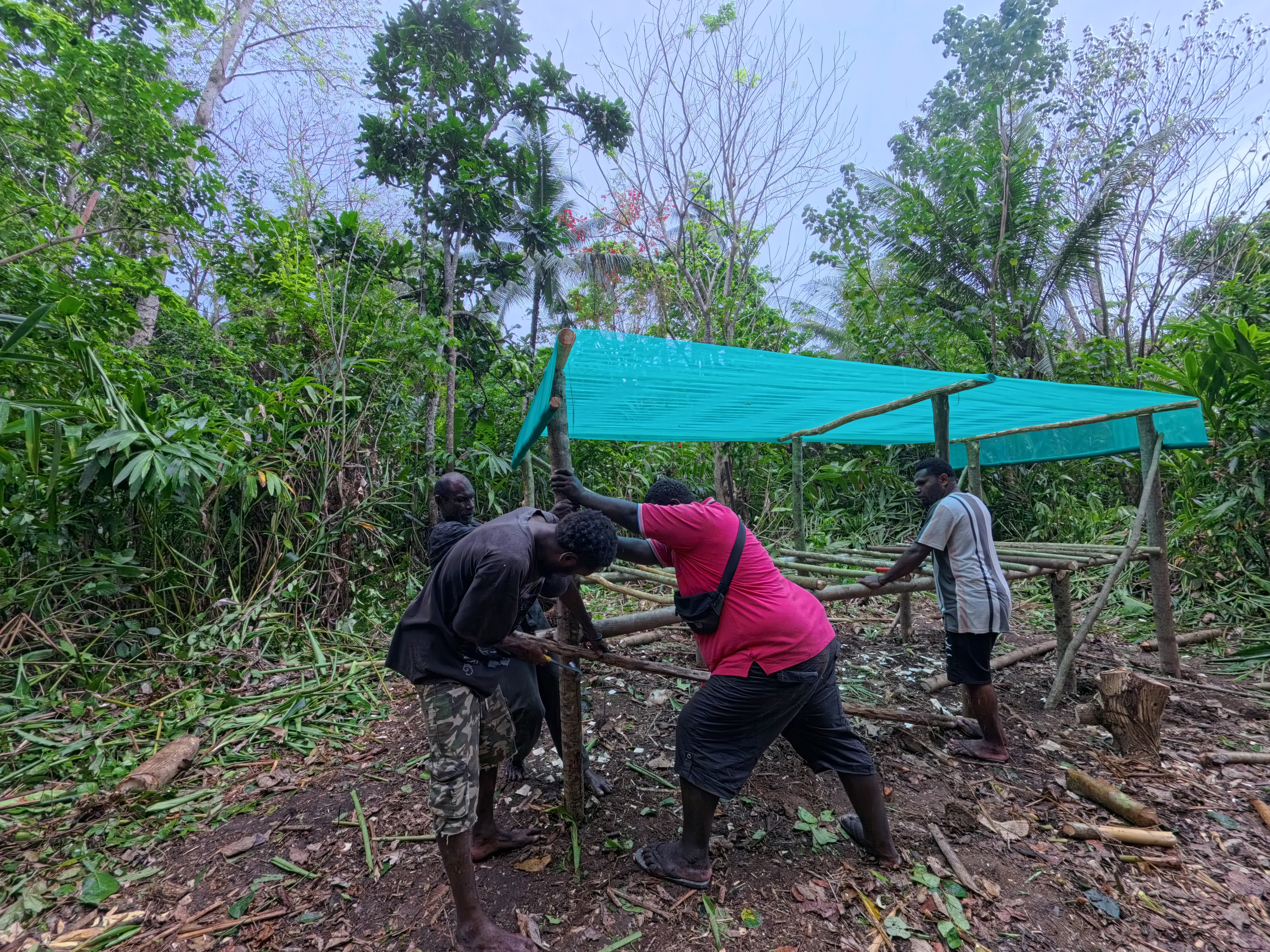
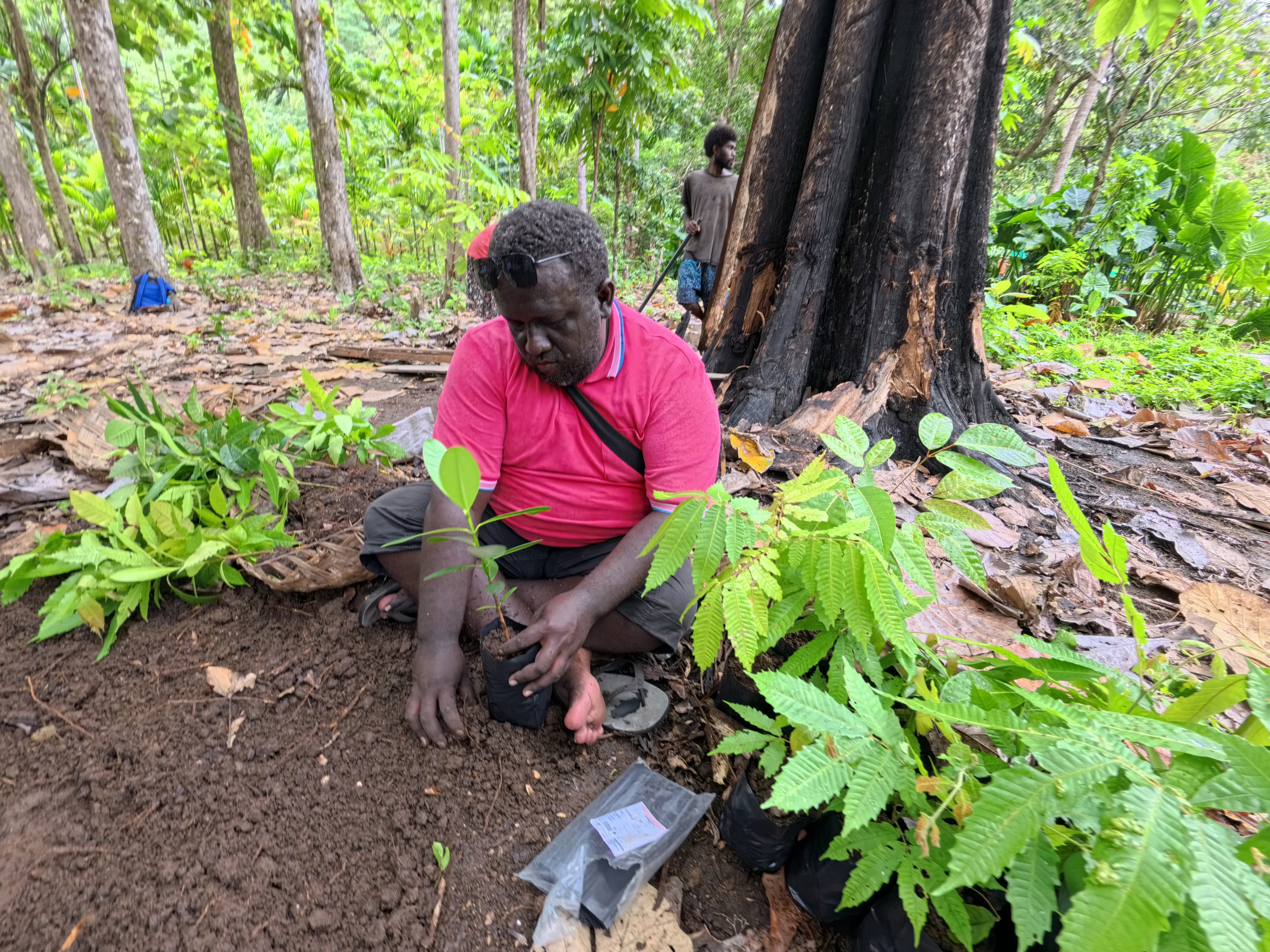
PC from left - right: CIP Forestry Officer helping community members set up the nursery house at Toa & the forestry officer was captured guiding community members in filling polybags with plant seedlings collected from the wild during the nursery activity at Toa.
Community members have expressed their appreciation as they begin to see project interventions taking shape on the ground. Their active participation and commitment demonstrate strong local support for nature-based solutions that contribute to both environmental conservation and community resilience.
The BioScape team extends its sincere appreciation to the Central Province Forestry Team and the partner communities for their collaboration and commitment in successfully completing this important phase of the NbS interventions.
The team also acknowledges the European Union-funded Pacific BioScape Programme and the Secretariat of the Pacific Regional Environment Programme (SPREP) for their continued support in advancing biodiversity conservation and ecosystem restoration efforts in Central Province.
As implementation progresses, the project will continue working closely with communities to restore degraded watersheds, strengthen ecosystem services, and promote sustainable natural resource management for future generations.
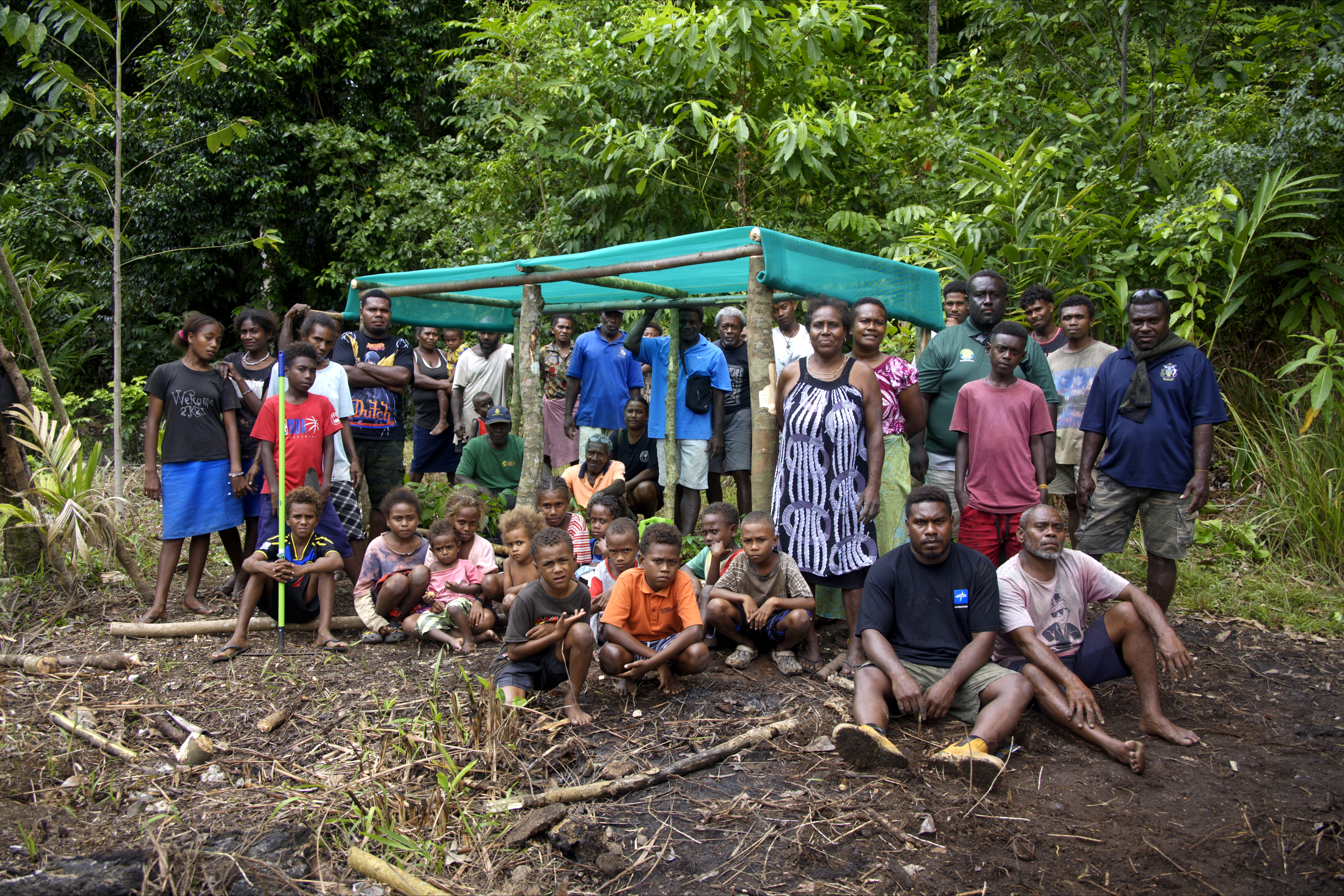
PC4: WCS SI Bioscape team and community members of Soka after the successful establishment of the plant nursery.